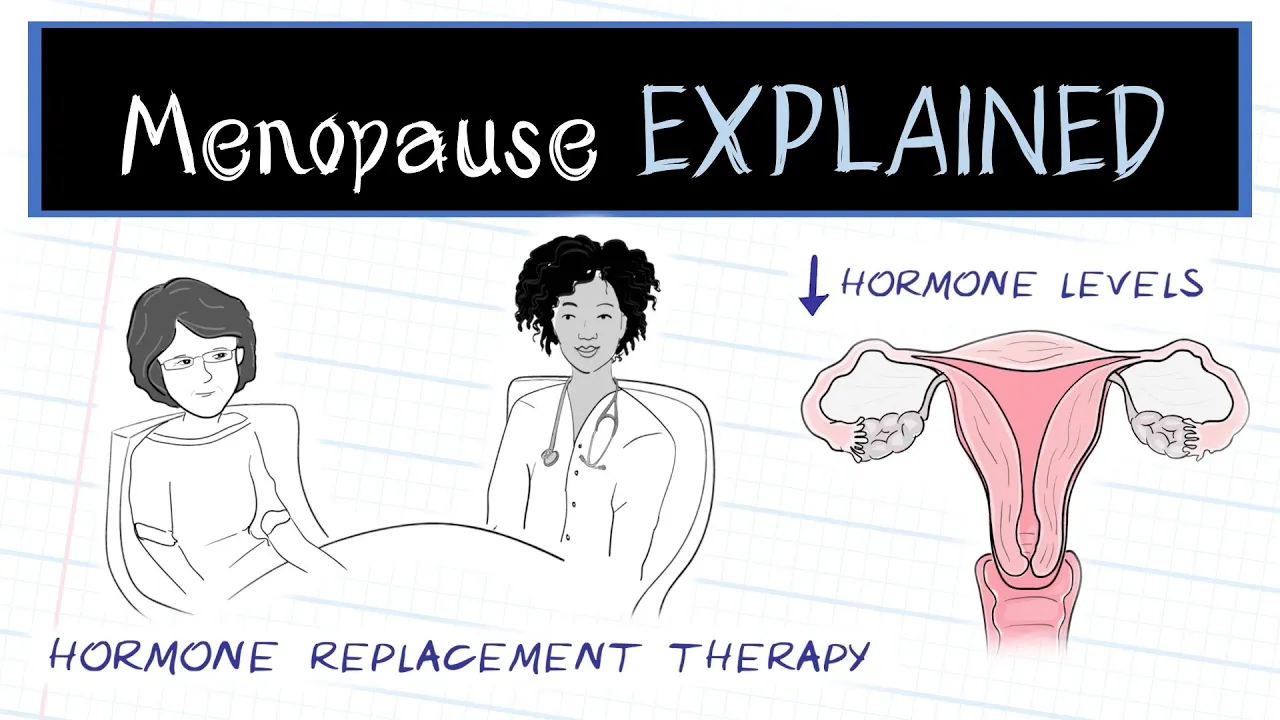
Menopause
What is it?
Menopause is a unique journey for each person with ovaries/ovary. It is a natural phase of life when ovaries stop producing eggs. This results in declining levels of the hormones estrogen and progesterone.
Menopause is not just a physical transition; it can also affect an individual’s mental and emotional health. As your hormone levels change, you may experience mood swings, anxiety, and even depression. Recognizing the symptoms and understanding the full scope of menopause, including its emotional and psychological effects, is essential for holistic support and care.
To learn more about the mood changes during perimenopause and menopause, click here.
It is also important to be aware of the options available to manage menopause in a way that is comfortable and meaningful for you.
Menopause happens in three phases. Click the headers below to learn more about each phase.
Perimenopause
Menopause
Post-menopause
Management and Treatment
Menopause can be a challenging time in a person’s life. This is due to all the changes it brings.
There are options available to manage the symptoms associated with menopause. These include:
- hormone-based
- non-hormonal
- complementary therapies
Learn more about these options by visiting The Menopause Foundation of NL, Menopause and U: Therapies and/or talking to your health-care provider.
Check out the ‘Staying Healthy During and After Menopause’ infographic from the National Institute on Aging.
Sexual Health and Menopause
Peri-menopause and menopause can bring changes to the body, including sexual health. Talking about these changes and learning to manage them is important, helps individuals to feel confident, stay healthy, and care for themselves during this time.
Several factors can affect sexual health, and it is important to talk about them to your health-care provider. There are options available to help manage symptoms. Some common symptoms include:
- Vaginal fluid changes (vaginal dryness, itching, burning)
- Pain during sexual intercourse
- Vaginal discharge
- Vaginal bleeding
- Recurrent urinary infections
- Loss of bladder control
- Decreased sexual desire
For more information, visit Sex & U, The Menopause Society- Sexual Health, or consult your health-care provider.
Why does menopause in the workplace matter?
In Canada, many people between the ages of 45-55 are part of the workforce. Menopause symptoms—like hot flashes, tiredness, trouble sleeping, and mood changes—can make work harder.
According to a report by the Menopause Foundation of Canada:
- 32% of working individuals experiencing menopause said their symptoms made it harder to do their job.
- 24% reported hiding their symptoms at work.
- 67% did not feel safe discussing menopause with their boss or manager.
Some even reduced their working hours or left their jobs entirely due to these symptoms.
To support more inclusive and supportive workplaces, the Menopause Foundation of Canada offers resources through its initiative Menopause Foundation of Canada – Menopause Works Here aimed at helping organizations become menopause-friendly.
Podcasts
- Menopause with Dr. Shafeena Premji and Janet Ko – Canadian Women’s Foundation
Resources for Youth
It is important for young people with ovaries/ovary to understand the changes their bodies go through as they grow older. It is natural to be curious about these changes. It is a healthy part of the reproductive life cycle.
Check out the video below to help youth understand menopause.
- Menopause Explained, Amaze Org
Relevant videos